


Are Power Loom Machine Manufacturers in India Ready for Modern Demand
Power Loom Machine Manufacturers in India - The Indian economy has continuously relied on the textile industry, which has been the source of the integration of tradition and industrial advancement. The power loom is the central point of this industry, and this machine replaced weaving as a manual craft to a high-speed industrial production. With the increasing pace of global fashion and the increasing role of technical textiles, the domestic machinery sector has never experienced increased pressure like today.
We are going to discuss the present situation in the weaving industry and how the Power Loom Machine Manufacturers in India evolve in India and how they have the resources and the technology to stand up to the strict demands of the contemporary global market, in this blog.
Indian manufacturers of the Power Loom Machines
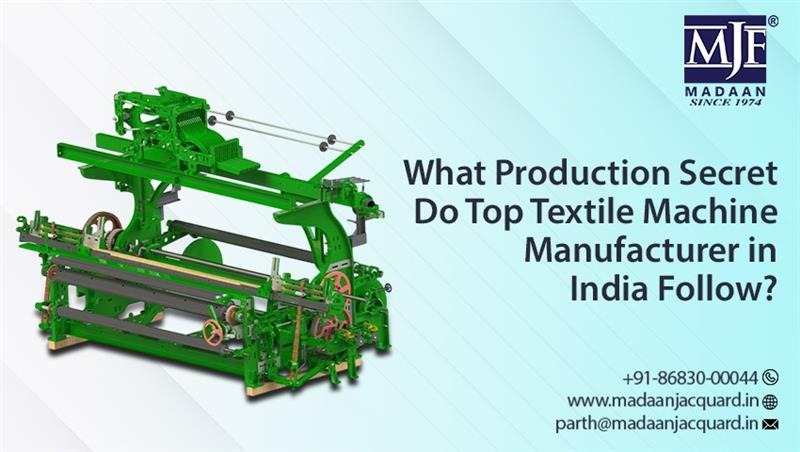
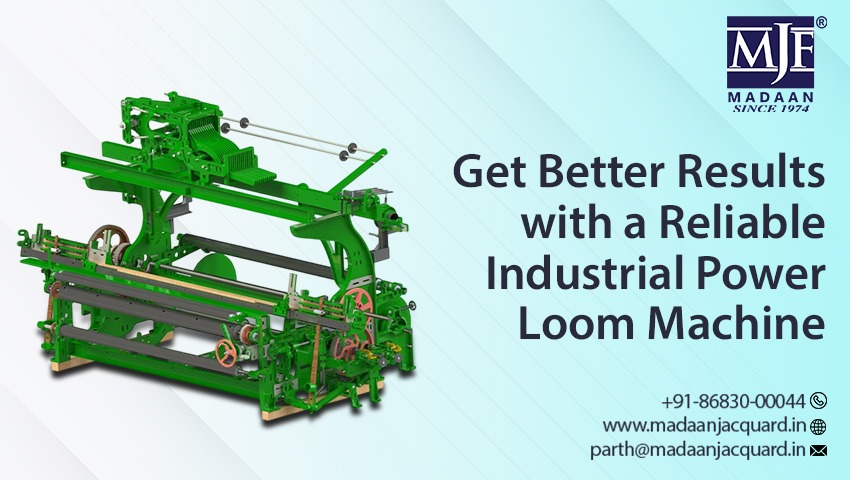
In order to know the future we need to examine the foundation. A power loom is a mechanized loom, which operates on a drive shaft, and is constructed with the purpose of automatizing the process of weaving by making warp and weft threads interlaced. The Indian textile landscape was a plain and semi-automatic loom dominated landscape over the decades. Nevertheless, the position of power loom machine manufacturers has changed as it is no longer about providing hardware but also innovation partners.
Responding to the Contemporary Demand: Are they prepared?
It is defined by three pillars, namely, Speed, Customization, and Sustainability, which define the modern demand in textiles. When we pose the question whether power loom machine manufacturers in India are prepared we need to see how they are going about it in these particular aspects.
1. The Change to High-Speed Shuttleless Looms:
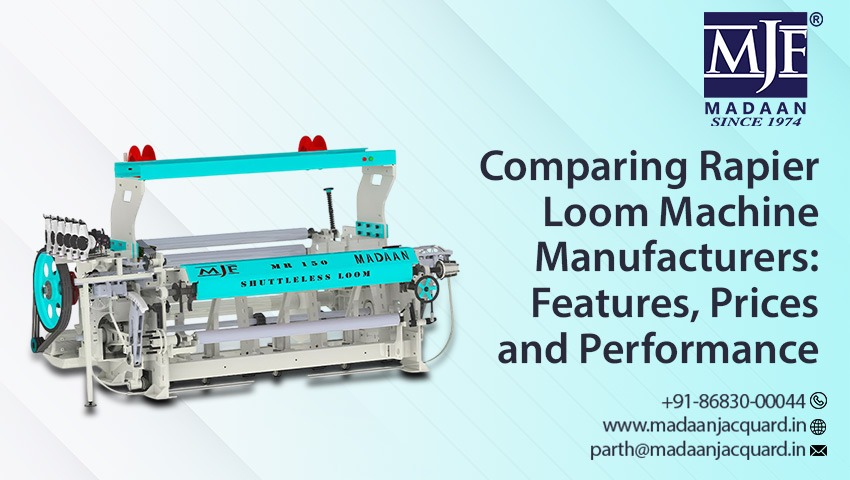
In the modern mills, 100-150 picks per minute (PPM) are no longer satisfactory. They need machines that can have 400 to 600 PPM without breaking the fabric. The manufacturers of power loom machines in India are leading in the production of gear driven and cam drive machines which can give the stability needed in such high speed.
2. Electronic Jacquard Integration:
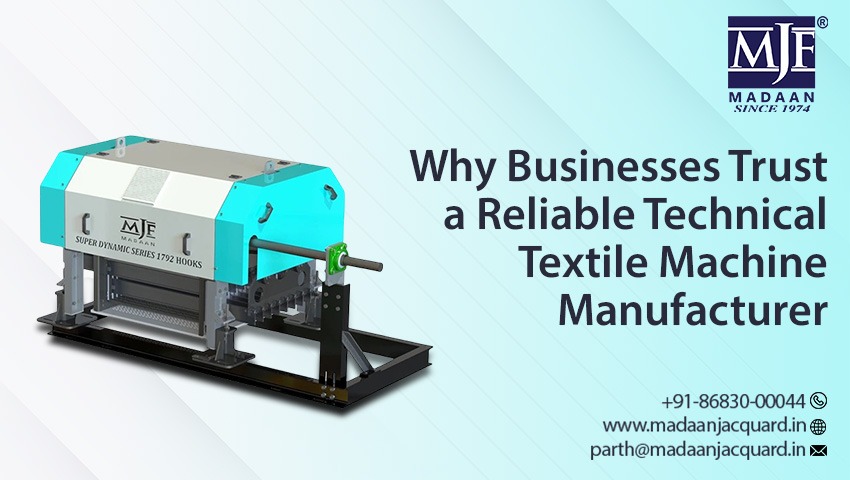
Contemporary design demands intricate designs- flowers, geometric designs and logos. Manufacturers are also adopting the use of electronic jacquards in combination with the power looms. This enables the management of the digital patterns and hence less downtime as compared to the time spent in changing the manual cards.
3. Energy Saving and Small Footprints:
As the cost of industrial electricity keeps increasing, the Economical Series of machines has become a success. Manufacturers are also coming up with motors that use less power but giving a high torque. There has also been a shift to low footprint designs that enable more looms to be fit within the same square space as industrial real estate becomes costly.
Traditional vs. Modern Power Looms
To better understand the leap that power loom machine manufacturers in India have taken, let us look at the technical evolution of the machinery.
| Feature | Traditional Power Looms | Modern Power Looms (Current Standard) |
| Technology | Shuttle-based (Mechanical) | Shuttleless (Rapier / Air-jet) |
| Speed (RPM/PPM) | 100 - 150 | 250 - 600+ |
| Pattern Capability | Limited or Manual Dobby | Electronic Jacquard Compatible |
| Power Consumption | High (Inefficient Motors) | Low (Energy-efficient Drive Systems) |
| Fabric Quality | Frequent flaws due to shuttle | High precision; minimal wastage |
| Maintenance | High (Many moving parts) | Low (Simplified Gear/Cam systems) |
The Major Industry Problems
Even though the development is remarkable, the manufacturers of power loom machines in India have to overcome a number of obstacles on their way to the world market domination:
• R&D Investment: The investment in the domestic Research and Development will have to increase compared with those in Europe or China to develop proprietary high-speed technologies.
• Adoption Gap: Manufacturers are willing to use high-tech machines, but many small scale weavers in textile centers are reluctant to invest because of the high start up cost.
• Global Competition: To compete with the subsidized imports of machines, the Indian manufacturers will need to provide better after sales services and extended life of the machines.
Final Thoughts
The Indian textile machinery industry is also on a cross roads and high speed low maintenance machinery is on high demand than ever before. Luckily, Madaan Jacquard has progressed through mechanical designs of 1970s to electronic precision of the 21st century. Being a renowned producer of Power Loom Machine Manufacturers in India, they pay attention to low footprints and power consumption. Supply chain of local handloom clusters or multinational export houses, Madaan Jacquard offers the innovative solutions that will make the future of Indian weaving to be exceptionally bright and competitive on the international scene.
Most Searched Keywords:
• Power Loom Machine Manufacturers
• Best Power Loom Machine Manufacturers
• Top Power Loom Machine Manufacturers
• Power Loom Machine Manufacturers in India
• Best Power Loom Machine Manufacturers in India
• Top Power Loom Machine Manufacturers in India