

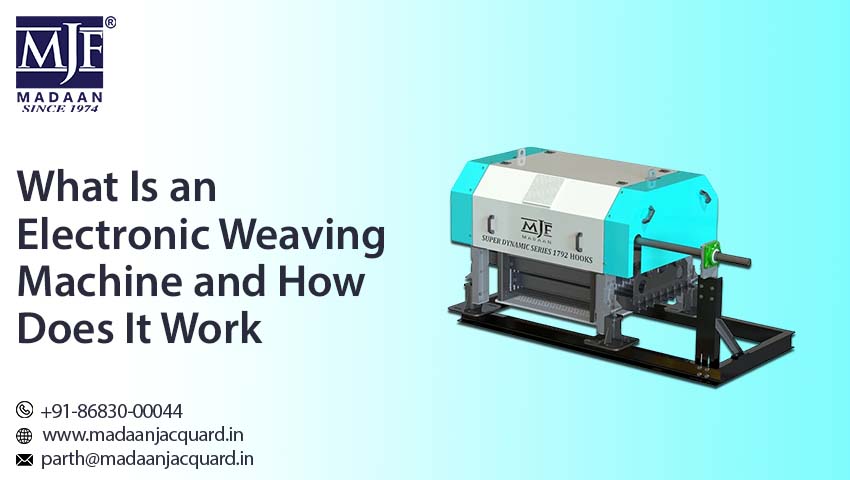
What Is an Electronic Weaving Machine and How Does It Work
Electronic Weaving Machine - The textile industry has undergone a massive transformation over the last few decades. Days of weaving elaborate patterns in large size punch cards, with human effort in between punches, are gone. The Electronic Weaving Machine is the leading product of this revolution today being speedy, accurate and limitless in designs.
To the textile mill owners and the weavers, the knowledge of this kind of technology is important in remaining competitive. However, what is this machine and how did it manage to convert a digital image into a physical object of fabric? Now it is time to look at the mechanics and advantages of this high-tech equipment.
Understanding the Electronic Weaving Machine
It is a modern loom arrangement that makes use of digital signals to manage the lifting of warp threads. These machines are based on the solenoid technology as opposed to physical chain of patterns or punch cards used in traditional mechanical looms. This enables the development of very sophisticated designs which can be transformed immediately through a computer file.
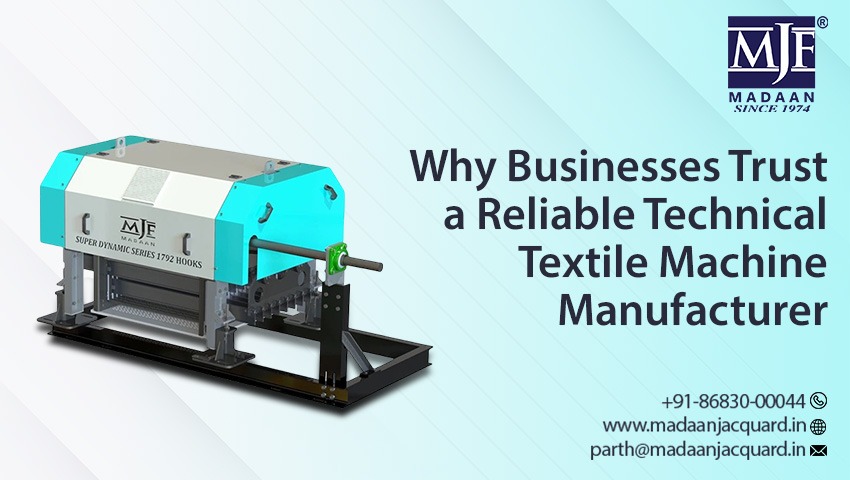
The fundamental part of this system is the Electronic Jacquard Machine. This unit is located at the top of the loom and is the "brain" which takes the command to raise certain threads to form the required weave structure. These equipments have turned out to be crucial in fabricating quality sarees and dress materials as well as upholstery since they are among the main fabric manufacturing machine in India.
How Does It Work? The Step-by-Step Process
The work of an electronic weaving machine is an amazing mixture of software and hardware. Here is the general workflow:
1. Design Creation: The design of a textile is done by a textile designer on CAD (Computer-Aided Design) software. This design is changed into a definite file format (such as JC5 or BMP) which the machine comprehends.
2. Data Transfer: The design file is loaded to the controller of the machine through a USB drive or through a network connection.
3. Signal Processing: The design is pixel by pixel read by the controller. Each time a "weft" insertion is made (the thread that passes across) the Jacquard module is provided with electrical signal by the controller.
4. Solenoid Activation: It is the place where magic occurs. The electromagnets (solenoids) move on the signal, and are used to choose what hooks to lift. This accuracy means that there are few errors that are made and this allows mills to save a lot on wastages.
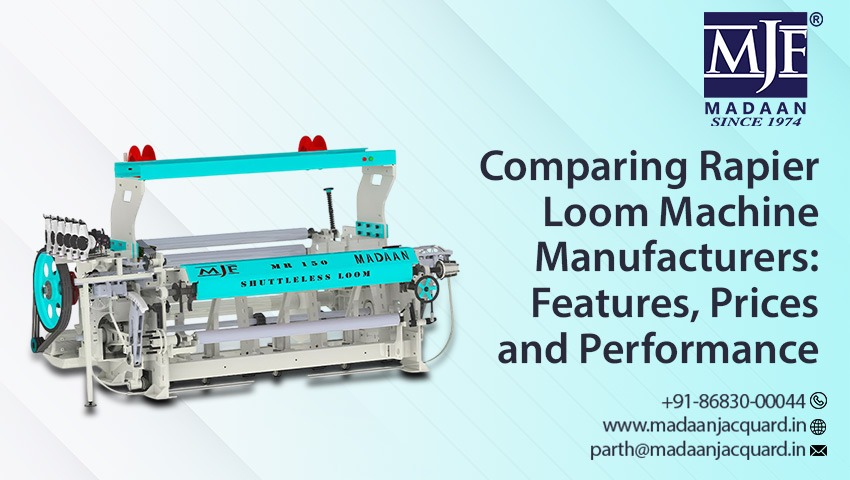
5. Weaving: The weft thread is placed by passing over the shed made by the raised warp threads through the loom, which is commonly partnered with Rapier Looms so as to be flexible.
Types of Compatible Looms
The advantage of electronic weaving technology is its flexibility. It may be attached to all sorts of looms according to the fabric need:
• Rapier Looms: These are used on both light and heavy yarns and are used with fashion fabrics.
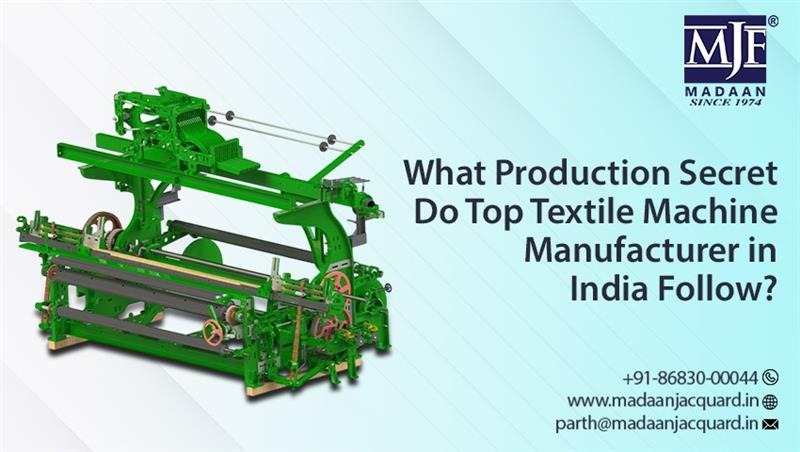
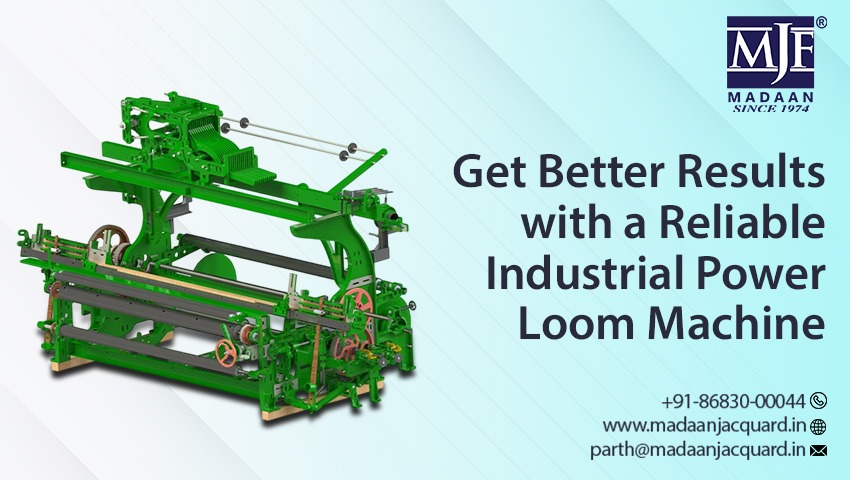
• Power Looms: The old Power Looms can be converted into electronic jacquards, which will enable them to update their capabilities without purchasing completely new heavy equipment.
Why the Industry is Switching to Electronic
The shift towards automation is driven by the need for efficiency. Mechanical systems suffer from wear and tear, and changing a design on them can take days. By comparison, the recent advancements in the industrial power loom machine enable design modification within a few minutes.
Furthermore, these machines are not limited to clothing. The heavy-duty applications like carpet weaving are done with specialized versions and it proves that electronic precision can be scaled in various textile industries.
Conclusion
Electronic Weaving Machine is not just a machine, it is a door to the future production of textile. Digitizing the weaving process allows the manufacturers to be faster, save more money on labor, and create perfect designs that the mechanical looms cannot possibly recreate.
In case you want to take a new or upgrade your existing arrangement or want to set up a new high-tech weaving unit, it is necessary to establish a reliable manufacturer. To have strong technology and effective service in this field, Madaan Jacquard can be considered as one of the best options in this sphere among weavers in the country.
Most Searched Keywords:
• Electronic Weaving Machine
• Best Electronic Weaving Machine
• Top Electronic Weaving Machine
• Electronic Weaving Machine in India
• Best Electronic Weaving Machine in India
• Top Electronic Weaving Machine in India